
The Hidden Danger in Your Grooming Station: Why You Should Never Store Shears and Blades Near Kwik Stop
Share
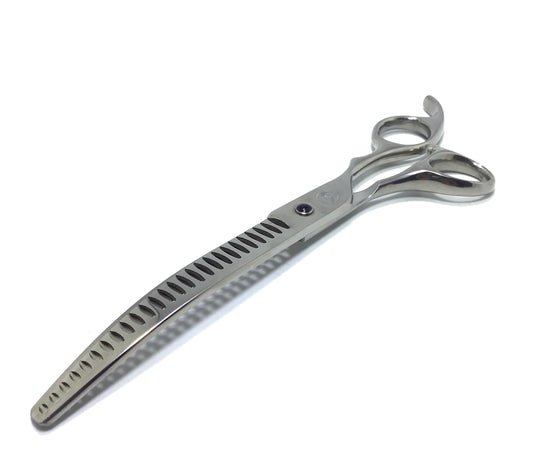
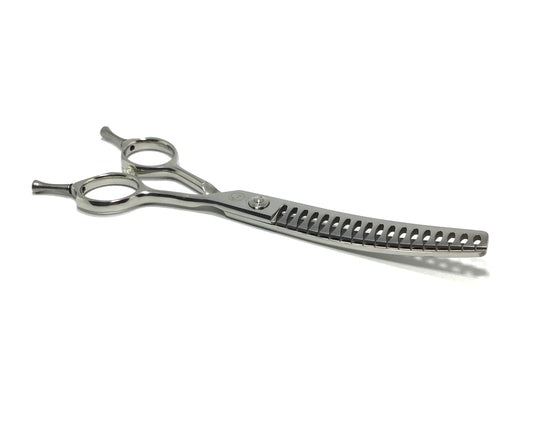
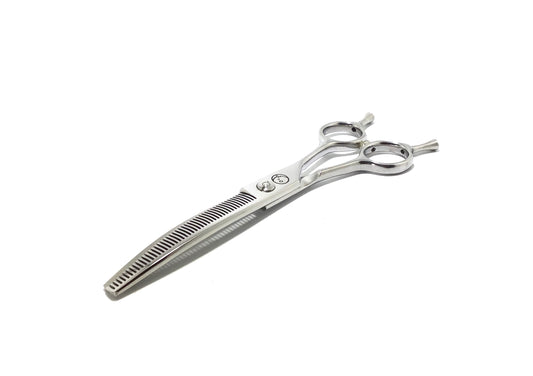
As professional dog groomers, we rely on high-quality tools like premium shears and clipper blades to deliver flawless grooms day after day. At Harebone Shears, we're passionate about helping you protect your investment in tools crafted from superior steels, such as our Japanese 440C and VG-10 options. One often-overlooked threat to your expensive equipment? Styptic powders like Kwik Stop—the go-to solution for stopping nail bleeding.
While Kwik Stop is an essential first-aid staple in every grooming salon, its chemical composition can wreak havoc on metal tools if stored nearby. Let's dive into why this happens, real-world experiences from fellow groomers, and best practices to keep your shears and blades in top condition.
What Is Kwik Stop and Why Do We Use It?
Kwik Stop is a popular brand of styptic powder designed to quickly halt minor bleeding, particularly from accidentally clipping a dog's nail too short and hitting the quick. It's also useful for small cuts, scrapes, or even bird beak trims. The key active ingredients include Ferric Subsulfate (a hemostatic agent that constricts blood vessels to promote clotting) and Benzocaine (for mild pain relief).
This powder is a lifesaver in stressful moments, reducing bleeding fast and minimizing discomfort for the pet. However, that same Ferric Subsulfate—the compound responsible for its effectiveness—can be highly corrosive to metals, especially high-carbon steels used in grooming shears and clipper blades.
The Corrosion Risk: It's More Common Than You Think
Ferric Subsulfate and similar iron-based compounds are known to be corrosive to metals, including steel. Even indirect exposure—through airborne particles mixing with humidity or accidental spills—can accelerate rust and pitting on your tools. It doesn't require direct contact; if the container lid is left loose or powder dust escapes, it can react with moisture in the air and settle on nearby metal surfaces.
Industry sources, including grooming supply experts, consistently warn: Keep styptic powder far away from shears and blades. Its caustic properties can strip protective layers on steel, leading to rapid oxidation and rust. Over time, this damages cutting edges, causes pitting, and shortens tool life—potentially turning a premium shear into one that needs frequent (and costly) sharpening or repair.
Real Groomer Testimonials: Lessons Learned the Hard Way
Many experienced groomers have encountered this issue firsthand. Here are insights from professionals in the field:
-
Julie G. shares: "Some quick stops will rust metal. Not all brands do. Some also turn purple when ear cleaner is added. Not sure the science, but I learned the hard way—I used to use a quick stop applicator and put it in with my shears. Rusted over a few days."
-
Sara K. warns: "Quick stop will cause corrosion and rust; I've seen it in our equipment."
-
Hana D. adds: "Yup! If you've ever accidentally spilled it without realizing and it got on your shears/blades, you will see the corrosion very quickly."
-
Harebone Harrison, founder of Harebone Shears, notes from years of servicing tools: "I've seen many instances throughout the years where scissors came in contact with Kwik Stop and caused severe corrosive damage. It's usually repairable but requires lots of effort. It doesn't even have to come in direct contact—it can cause rusting easily. Store away from tools in a sealed container. It's a major rust cause on tools in the dog grooming industry."
These stories highlight a common pattern: Proximity is the problem. Even well-sealed containers can release fine particles over time, especially in busy salons with high humidity from bathing areas.
Best Practices for Safe Storage and Tool Longevity
To protect your Harebone Shears and other tools:
-
Separate Storage Areas: Keep styptic powders in a dedicated drawer, cabinet, or kit—far from your shear cases, blade organizers, or grooming stations. Ideally, store them on a different shelf or in a sealed plastic bin.
-
Airtight Containers: Always ensure the lid is tightly closed after use. Consider transferring to a more secure container if the original isn't fully airtight.
-
Daily Cleaning Routine: At the end of each day, clean shears and blades thoroughly: Remove hair, wipe dry, and apply a light coat of clipper oil or shear lubricant to create a protective barrier against moisture and contaminants.
-
Humidity Control: Use silica gel packets in tool storage cases to absorb excess moisture, and avoid plastic sleeves that trap condensation.
-
Spill Response: If powder ever contacts tools, rinse immediately with water, dry thoroughly, and oil generously. Early action can prevent permanent damage.
By following these steps, you'll extend the life of your premium tools and maintain their razor-sharp performance groom after groom.
Investing in quality shears from Harebone means they're built to last—with proper care. Don't let a simple storage oversight shorten their lifespan. Visit harebonescissors.com to explore our rust-resistant, ergonomic designs and tool care accessories. Your tools (and your wallet) will thank you!